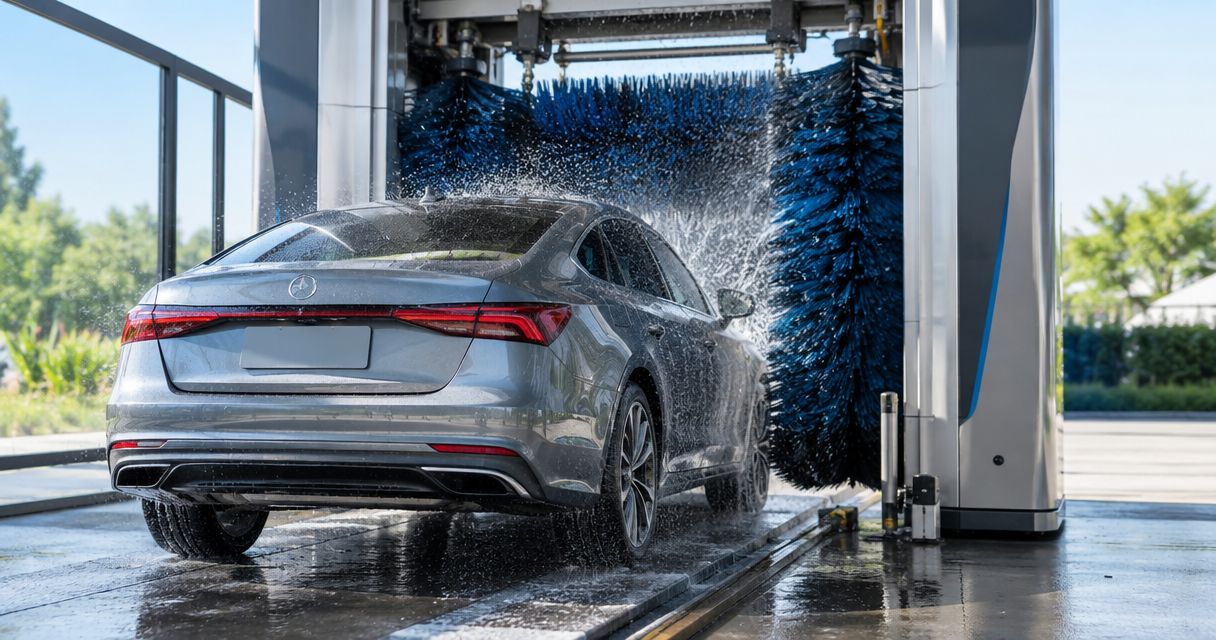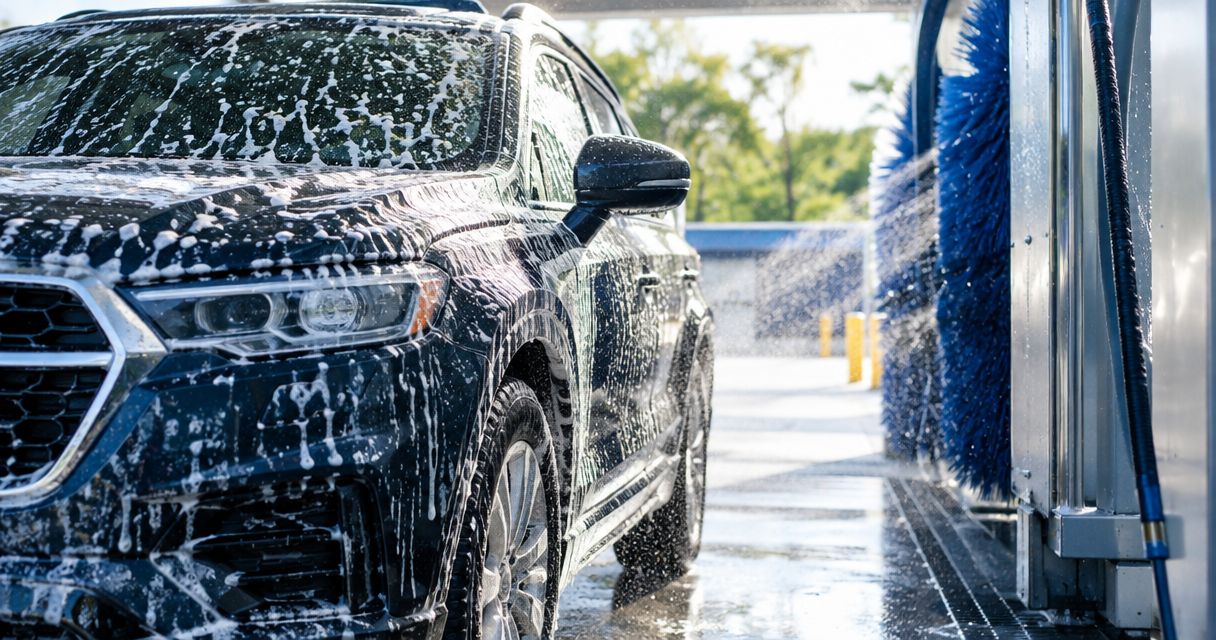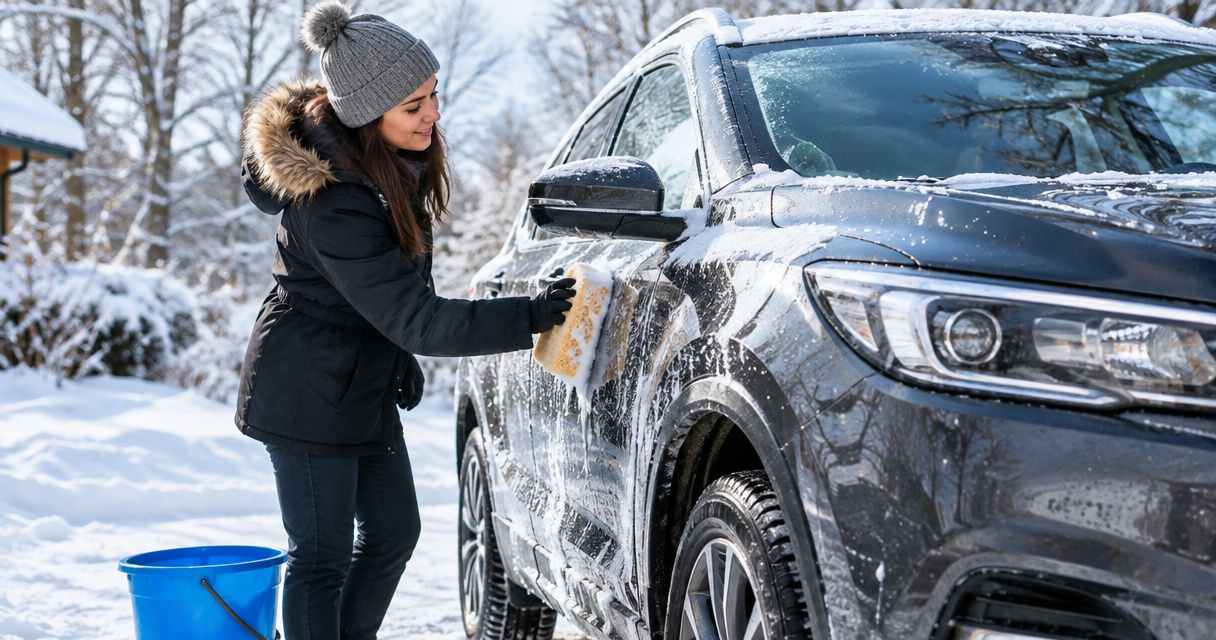
Wash your car after driving on salted roads, once conditions allow a safe wash and dry; repeat when fresh salt builds up rather than waiting for a fixed calendar date. Washing removes corrosive residue, but it cannot guarantee a rust-free vehicle or repair existing corrosion. For your 2026 winter routine, prioritize salt removal underneath the vehicle as well as the painted surfaces you can see.
- How often should you wash your car in winter to prevent rust? Follow road-salt exposure, not appearance alone.
- Underbody cleaning matters; confirm that your selected wash actually reaches underneath the vehicle.
- Cruzinwash offers exterior washes and wash-club memberships for Farmingdale drivers; confirm covered services before joining.
- Exterior membership does not mean interior cleaning or detailing is included.
Why this matters
A shiny hood does not tell you whether the underside is clean. Road spray carries salt onto wheel wells, lower panels, and underbody surfaces, where moisture and salt support corrosion. Waiting until your whole car looks dirty misses the point.
For Farmingdale drivers planning winter care in 2026, the useful question is what happened since the last wash: salted-road driving, fresh spray, or mostly dry storage? Cruzinwash provides express exterior washes, interior cleaning, hand washing, detailing, and monthly unlimited wash-club memberships. Match the service to the dirt you need removed, and confirm underbody coverage separately.
How often should I wash my car in winter to prevent rust?
Wash after salt exposure when you can wash and dry safely, and wash again when driving deposits fresh salt. There is no universal schedule that prevents rust on every vehicle. Your driving conditions, vehicle condition, and the wash's coverage matter more than a date on the calendar.
Use these conditions to decide your next move:
| What happened since your last wash? | What to do | What to check |
|---|---|---|
| You drove through salty slush or road spray | Arrange salt removal when conditions permit | Lower panels, wheel wells, and underbody coverage |
| White residue returned after another drive | Treat it as fresh contamination | Do not assume the previous wash still covers today's exposure |
| The car stayed parked away from road spray | Base the next wash on actual contamination | Existing residue still needs attention |
| The paint looks clean but you drove on treated roads | Check beyond the visible bodywork | A clean roof does not establish a clean underside |
| You see flaking metal, bubbling paint, or damaged coating | Arrange an inspection as well as cleaning | Washing does not repair corrosion |
This is an exposure-based routine, not a promise that a particular number of visits will stop rust. A wash removes contamination. Inspection and repair address damage already present.
Build a winter salt-removal routine
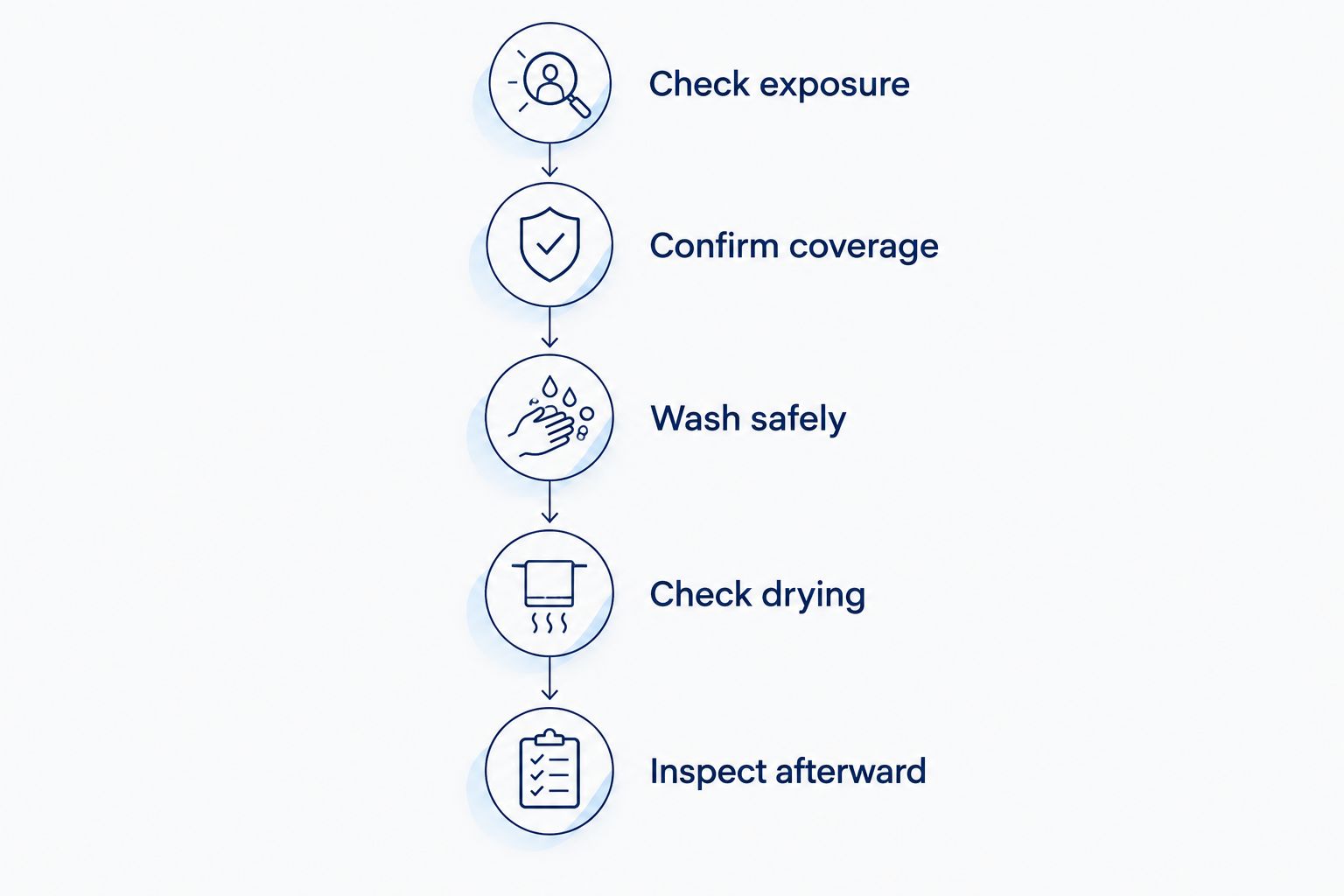
Start with what touched your vehicle. Then choose a wash that addresses it. For your 2026 winter checklist, use this sequence instead of booking the same service regardless of conditions.
- Check exposure. Think about the roads you drove, not just the weather outside your house. Plowed roads can still leave salty spray on your vehicle after snowfall ends.
- Confirm coverage. Ask whether the selected service cleans the underbody and wheel wells. An exterior wash label alone does not establish what happens underneath.
- Wash safely. Follow your vehicle manual and the wash operator's instructions. If freezing conditions prevent safe operation or drying, ask the operator when to return rather than improvising.
- Check drying. Follow the vehicle's guidance for drying accessible seals and checking brakes after washing. Do not leave standing water where it can freeze around doors or other openings.
- Inspect afterward. Look for remaining residue on accessible lower surfaces and visible damage. Never crawl under an unsupported vehicle to inspect or clean it.
Keep the routine practical. If your usual trip leaves new salt on the car, yesterday's wash does not remove today's deposit. If the vehicle stays parked and clean, another trip through a wash does not substitute for checking its condition.
Why your winter washing needs vary
Salt exposure is not identical from one drive to the next. These factors explain why a fixed wash schedule cannot account for every Farmingdale driver's winter:
- Road conditions. Salty slush and wet road spray put contamination onto the vehicle. Judge the drive you actually made rather than assuming that clear skies mean untreated roads.
- Driving frequency. Repeated trips create repeated opportunities for exposure. A parked vehicle and a daily commuter do not accumulate fresh road spray in the same way.
- Wash coverage. Cleaning visible paint and cleaning underneath are different tasks. Confirm which areas the selected service reaches instead of relying on a package name.
- Vehicle condition. Chipped paint, damaged protective coatings, and existing corrosion need attention beyond routine washing. Clean surfaces make damage easier to inspect; cleaning does not restore missing protection.
- Temperature and drying conditions. Water can freeze around openings and on walking surfaces. Follow operating instructions and choose conditions that allow the vehicle to be washed and dried safely.
- Fresh exposure after cleaning. A clean vehicle becomes exposed again when you return to treated roads. Think of washing as removing a deposit, not creating permanent immunity to salt.
You do not need to turn every drive into a detailing appointment. You do need to distinguish fresh contamination from a vehicle that has remained clean since its last wash.
Which wash service fits your winter needs?
Choose the service by the area that needs cleaning, not by how extensive the package sounds. Exterior salt, dirty floor mats, and damaged paint are different problems. They do not automatically call for the same appointment.
| Service | Best for | Practical benefit | Limit to confirm |
|---|---|---|---|
| Single exterior wash | Occasional exterior cleaning | Addresses an individual wash need without a recurring membership | Underbody cleaning is not established by the word exterior |
| Exterior wash club | Recurring exterior cleaning | Provides a membership route for repeated covered washes | Interior cleaning and detailing are separate services |
| Interior or full-service cleaning | Cabin dirt and tracked-in mess | Addresses cleaning needs inside the vehicle | Confirm the exact tasks; cabin cleaning does not clean the underbody |
| Hand washing | Drivers seeking a hand-wash service | Offers a different cleaning method | The method alone does not establish underbody coverage or vehicle compatibility |
| Detailing | Specific cleaning or finish-care needs | Lets you request work beyond a routine wash | Scope varies, and detailing is not rust repair |
Single exterior wash: best for occasional cleaning
A single exterior wash fits a vehicle that needs an individual clean rather than a recurring arrangement. The benefit is straightforward: choose a wash when the vehicle needs it.
The limitation is coverage. Confirm that the selected service addresses your winter concern, especially underneath. Buying an exterior wash without asking that question leaves the most important detail unresolved.
Exterior wash club: best for recurring exterior cleaning
An exterior wash club fits a driver who repeatedly needs covered exterior washes. Cruzinwash is best suited to Farmingdale drivers seeking exterior washing with optional, separate interior cleaning and detailing.
A club does not turn exterior care into every-service coverage. Before joining, confirm the included wash, underbody treatment, vehicle eligibility, billing, and cancellation terms. Do not assume that a membership includes hand washing either.
Interior cleaning: best for tracked-in winter mess
Interior cleaning addresses the cabin rather than the underside. Wet footwear can bring road residue onto mats and carpets, creating a separate cleaning job even after the exterior looks clean.
Ask which surfaces the service covers and how wet materials will be dried. The useful distinction is simple: a clean cabin does not prove that exterior salt has been removed, and an exterior wash does not clean the cabin.
Hand washing and detailing: best for specific care requests
Hand washing and detailing give you different service choices, but neither label answers every winter-care question. State what needs attention and ask how the work will address it.
If your vehicle has special care instructions, share them before service. If you see corrosion, ask a qualified repair professional about the damage rather than treating a more involved cleaning package as a repair.
Should you join a wash club for winter?
Join based on repeated cleaning needs and verified terms, not an assumed rust-prevention guarantee. A membership is a way to arrange covered washes. It is not proof that every service your vehicle needs is included.
For a 2026 membership decision, check these points before signing up:
- Covered wash: What exterior service does the membership include?
- Underbody cleaning: Is it included in that service, offered separately, or not part of the wash?
- Vehicle rules: Which vehicle is enrolled, and what restrictions apply?
- Usage terms: What does unlimited mean under the current membership agreement?
- Billing and cancellation: When does billing recur, and how do you end the membership?
- Separate services: How are interior cleaning, hand washing, and detailing handled?
Cruzinwash offers monthly unlimited wash-club memberships, but your decision should follow the current terms and your actual driving. Read the distinction between exterior membership coverage and interior cleaning before choosing a service.
Check your winter wash options
Review exterior washing and membership options, then confirm underbody coverage and current terms.
Should I wash my car immediately after every snowstorm?
Salt exposure, rather than snowfall alone, should trigger your decision. A car parked away from road spray has a different cleaning need from one driven through salty slush.
Arrange cleaning after exposure when the vehicle can be washed and dried safely. Do not wait for another storm to deal with residue already on the car, but do not ignore freezing conditions or the operator's instructions either.
Can I wait until spring to wash off road salt?
Waiting until spring leaves deposited salt in place through the rest of winter. Remove it during the season when conditions permit, then check for fresh contamination after further driving.
A spring clean still has a purpose. Use it to address remaining buildup and inspect accessible surfaces, but do not treat it as a replacement for winter salt removal.
Will frequent washing stop rust that has already started?
Frequent washing does not stop or repair established corrosion by itself. Removing contamination helps you see the condition of accessible surfaces, but bubbling paint, flaking metal, and damaged coatings need assessment.
Keep cleaning and repair as separate decisions. A vehicle that looks cleaner after a wash can still need mechanical or bodywork attention underneath.
FAQ
How often should I wash my car in winter to prevent rust?
Wash after salted-road exposure when conditions allow safe washing and drying, and repeat when fresh salt accumulates. No fixed schedule guarantees rust prevention for every vehicle.
Do I need an underbody wash if the paint looks clean?
A clean painted exterior does not establish that the underbody is clean. Ask whether your selected wash reaches underneath the vehicle and addresses winter road residue.
Can I wash my car when temperatures are below freezing?
Follow your vehicle manual and the wash operator's cold-weather instructions. If safe washing and drying are not possible, ask when conditions will permit service rather than risking frozen openings or slippery surfaces.
Does rain wash road salt off my car?
Do not use rain as proof that road salt has been removed. Rain does not establish that the underbody, wheel wells, and other contaminated areas received effective cleaning.
Does a Cruzinwash exterior membership include interior cleaning?
Do not treat a Cruzinwash exterior membership as including interior cleaning or detailing. Confirm the covered exterior wash and arrange separate services according to the current terms.
Is detailing the same as rust repair?
Detailing is not rust repair. Ask a qualified repair professional to assess visible corrosion, damaged coatings, or suspected structural problems.
Should I wash a car that stays parked during winter?
Base washing on contamination already present and any new exposure. Parking does not remove salt deposited before storage, but a vehicle kept clean and away from road spray does not acquire fresh contamination from driving.
One last thing
Make your next wash decision from the lower half of the car, not the shine on the hood. Look at accessible lower panels and wheel areas, and ask specifically about underbody cleaning. That question tells you more about winter salt removal than a general promise of a clean exterior.
For the rest of winter 2026, keep the rule simple: remove salt, check coverage, dry safely, and inspect damage separately. Wash when your car needs it. Do not ask a wash to do a repair's job.