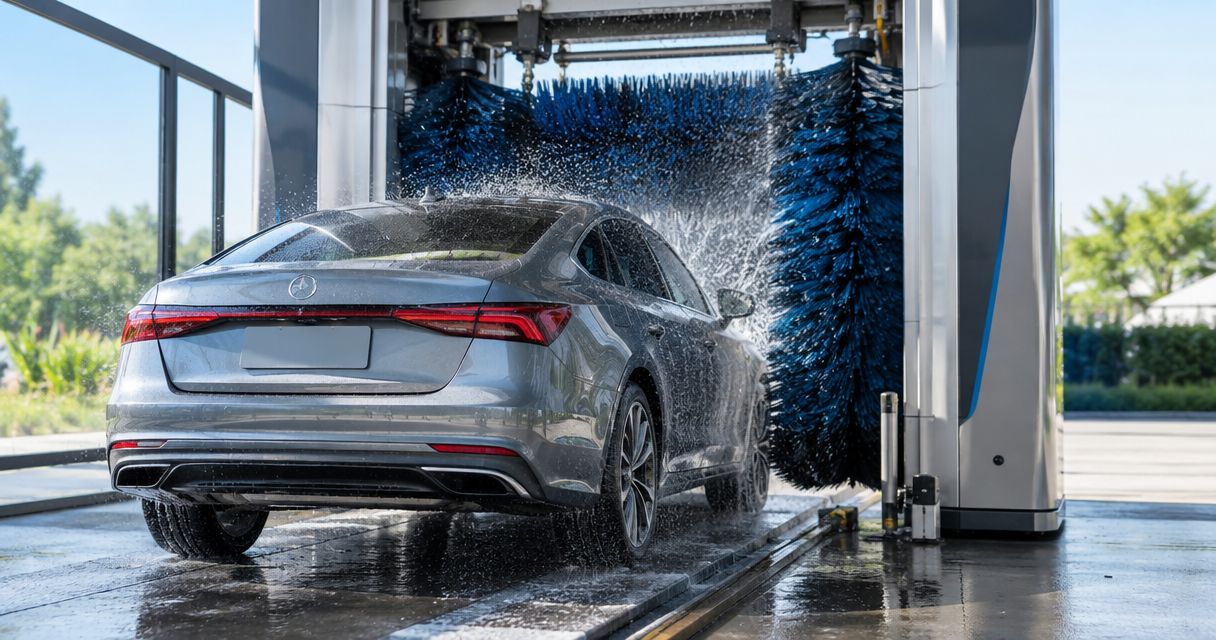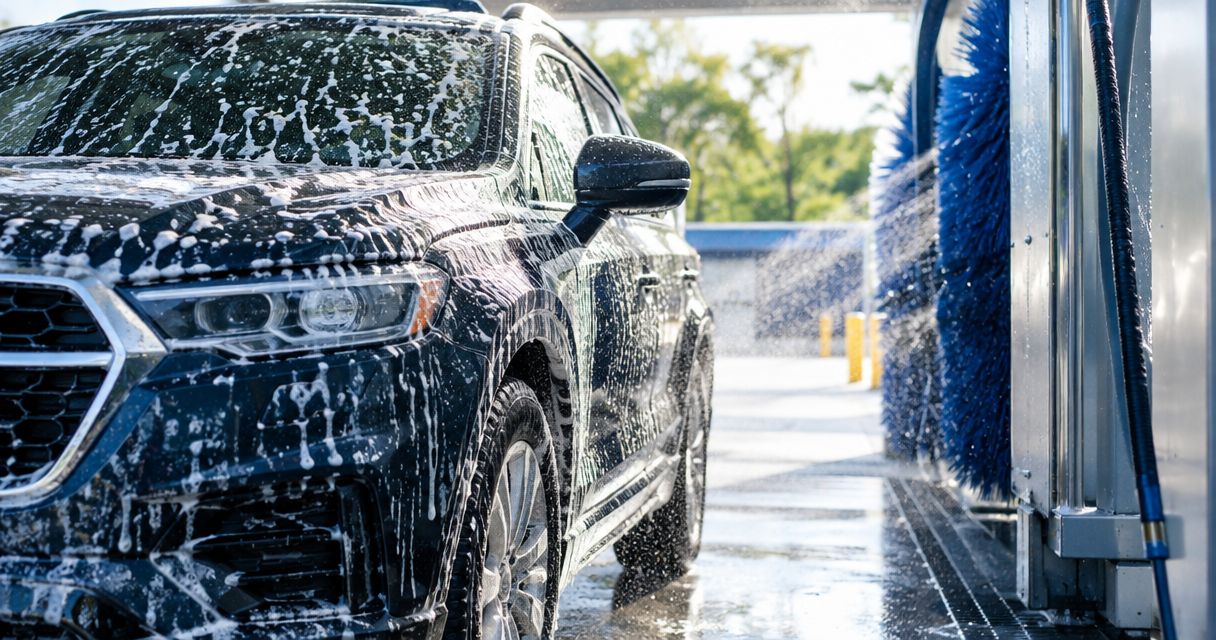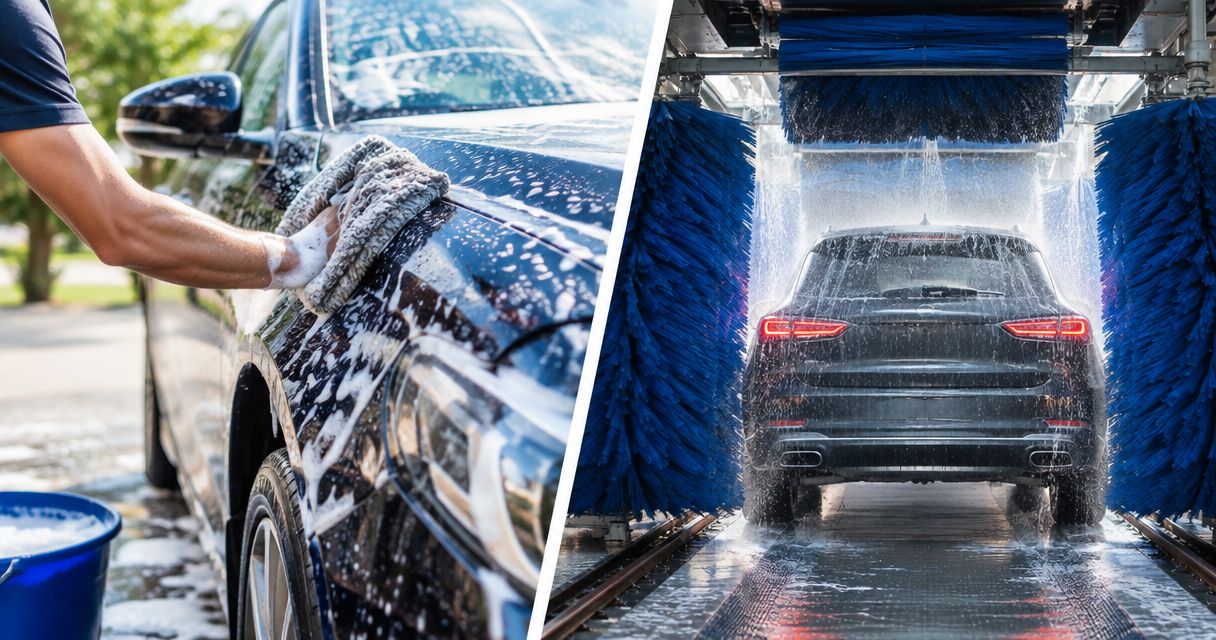
A hand car wash gives you more control over how paint is cleaned, but it is not automatically safer than a tunnel wash. Clean wash materials, thorough rinsing, gentle handling, and your vehicle’s care instructions matter more than the label; a dirty mitt or drying towel can mark paint, too.
- A hand car wash offers more control, but dirty mitts and towels can still scratch paint.
- Cruzinwash offers Farmingdale drivers hand washing, express exterior washes, and detailing; choose the service your vehicle needs.
- A tunnel wash describes the wash format, not whether cleaning materials touch your paint.
- Confirm exterior wash-club coverage separately from hand washing, interior cleaning, and detailing.
Why this matters
You want a clean car, not a new set of swirl marks. Choosing between hand washing and a tunnel starts with the actual cleaning process—not a promise that one method never scratches.
For Farmingdale drivers comparing services in 2026, Cruzinwash offers express exterior washing, hand washing, interior cleaning, detailing, and monthly unlimited wash-club memberships. Those are different services. An exterior membership is not a reason to assume hand washing, interior cleaning, or detailing is included.
The right choice starts with your paint, the dirt on it, and the work you need done. Settle those questions before choosing a single wash or joining a club.
Is hand washing better for paint than a tunnel wash?
Hand washing is better when you need close control over contact with the paint. It is not a guarantee against scratches. A careful hand wash lets the person cleaning your vehicle inspect individual panels, change dirty materials, and stop at a problem area.
A tunnel follows its installed cleaning process. That process can involve contact materials or a touchless system, so the word tunnel alone does not tell you how the paint gets cleaned.
Use this comparison when choosing a wash in 2026. These are method-level differences, not claims about the equipment at a particular location.
| Method | Best for | Main advantage | Main limitation |
|---|---|---|---|
| Hand wash | Drivers who want panel-by-panel attention | The person washing can adjust contact and inspect specific areas | Dirty mitts, excessive rubbing, or contaminated towels can still mark paint |
| Contact tunnel wash | Routine exterior cleaning when the vehicle’s instructions permit it | A mechanized exterior-wash process | Cleaning materials touch the vehicle; their condition and the vehicle’s condition matter |
| Touchless tunnel wash | Drivers seeking to avoid mechanical wash-material contact | Cleaning does not rely on brushes or cloth touching the body | Avoiding contact does not guarantee complete removal of bonded contamination |
No method earns a blanket paint-safety guarantee. Ask what touches the vehicle, how loose dirt is removed, and how the car is dried.
Hand washing: best for controlled attention
Choose hand washing when you want the cleaning process adjusted around your vehicle’s condition. That includes pointing out damaged trim, a delicate area, or contamination that needs assessment before anyone rubs it.
The advantage is control. A person can inspect a panel before moving on, keep wheel-cleaning materials separate, and avoid repeatedly scrubbing a stubborn spot.
The limitation is technique. A hand wash performed with dirty equipment or heavy pressure does not become gentle just because someone holds the mitt.
Before choosing the service, ask:
- How is loose dirt rinsed away before washing?
- Are wheel-cleaning tools kept separate from paint-cleaning tools?
- How are dirty mitts and towels replaced or cleaned?
- What happens if a spot does not come off with normal washing?
If you want this option instead of an automated wash, review requesting a hand wash instead of the tunnel wash. Confirm the service arrangements before your visit rather than assuming a tunnel purchase or membership covers it.
Recommendation: choose hand washing for deliberate attention, not for an unqualified scratch-free claim.
Tunnel washing: best for routine exterior cleaning
A tunnel wash is an option for routine exterior dirt when your vehicle’s care instructions allow that wash method. Check the process first. The tunnel format does not establish whether the system uses contact materials.
A contact wash uses cleaning materials against the vehicle. A touchless wash avoids that mechanical contact, but its cleaning action still needs to suit your finish and any protective film or coating.
Both require preparation. Follow the operator’s entry instructions and your vehicle manual for items such as wipers, mirrors, antennas, and automatic vehicle functions.
The limitation is that an automated pass is not a panel-by-panel treatment plan. Do not expect it to diagnose paint damage, remove every bonded deposit, or correct existing swirl marks.
Recommendation: choose a compatible tunnel process for routine exterior cleaning; choose individual assessment when the vehicle needs special handling. If you cannot establish compatibility, resolve that question before entering.
Why paint results vary
The useful question in 2026 is not simply whether hand washing beats a tunnel. It is whether the complete wash process suits your vehicle and avoids dragging contamination across the finish.
- Loose dirt before contact. Grit left on the surface can be dragged across paint. Rinsing before contact helps remove loose material rather than rubbing it into the finish.
- Wash-material cleanliness. Mitts, cloths, brushes, and towels can carry contamination. Ask how materials are maintained and how wheel-cleaning tools are separated from paint-cleaning tools.
- Pressure and repeated rubbing. Pushing harder at a stubborn deposit is not a substitute for identifying it. Stop and ask for assessment instead of insisting on more scrubbing.
- Drying technique. Washing is not the final point of contact. A contaminated drying towel can mark a surface after the cleaning stage is finished.
- Paint condition and care restrictions. Existing damage, recent refinishing, wraps, films, and coatings can change the appropriate process. Follow the instructions that apply to your specific finish.
These checks apply to both a single visit and a recurring wash routine. A membership changes how you purchase covered washes; it does not override vehicle-care requirements.
How do you choose the right wash for your car?
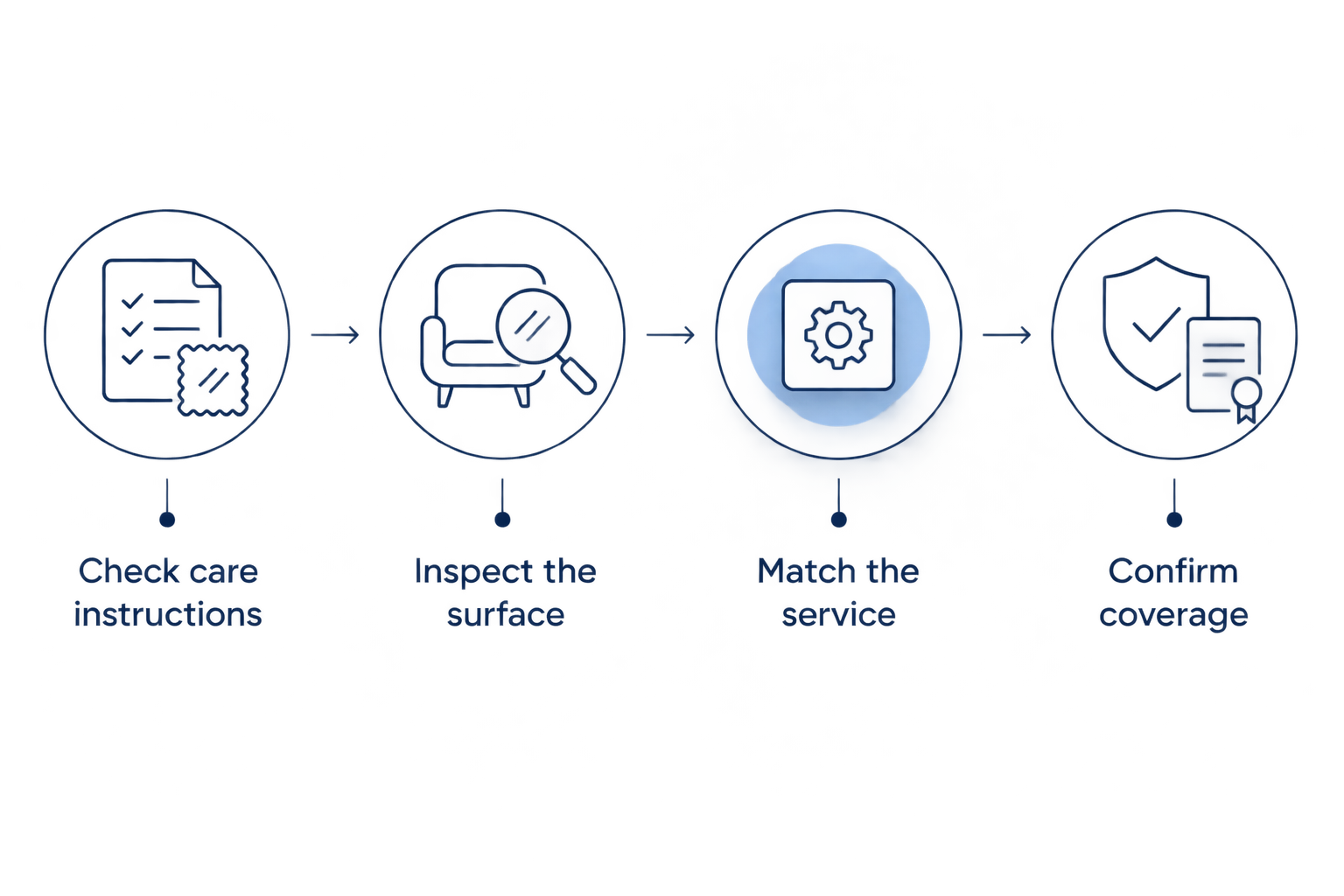
Start with the vehicle, then assess the dirt, then choose the service. This order keeps a convenient purchase from becoming the wrong cleaning decision.
- Check care instructions. Read the relevant washing guidance in your owner’s manual. For refinished paint, wraps, protective film, or coatings, also follow the installer’s or manufacturer’s instructions.
- Inspect the surface. Look for loose trim, peeling material, damaged paint, and stuck-on deposits. Point them out before washing starts.
- Match the service. Choose routine exterior cleaning for ordinary surface dirt. Request individual attention when a specific area needs assessment or the finish has special restrictions.
- Confirm coverage. Establish exactly what your single wash or membership includes. Ask separately about hand washing, cabin cleaning, and detailing.
Do not skip the inspection because the car is new. New ownership does not tell you which automated systems the manufacturer permits or what care a protective product requires.
Once those checks are complete, ask the wash operator to explain anything that remains unclear. You need a process that matches the vehicle—not reassurance based only on the words hand wash, soft cloth, or touchless.
Does hand washing remove swirl marks?
Hand washing does not correct existing swirl marks. Washing removes dirt; paint correction addresses defects in the finish through a separate process.
Swirl marks can become easier to see under direct light or after dirt is removed. Seeing them after a wash does not, by itself, establish when they formed.
If marks concern you, inspect the paint before service and discuss the desired result. Ask whether the proposed work is cleaning, contamination removal, polishing, or another detailing task, rather than treating those terms as interchangeable.
Do not assume every detailing service includes paint correction. Get the scope explained before authorizing work, especially if your goal is improving visible defects rather than simply cleaning the vehicle.
Is touchless always safer than hand washing?
Touchless washing avoids mechanical contact from wash brushes or cloth, but it is not a universal answer for every finish. Your vehicle’s care requirements still apply, including instructions for wraps, protective film, and coatings.
Check the entire visit. If a touchless wash is followed by towel drying, the drying stage still involves contact.
Likewise, a carefully performed hand wash and a poorly performed hand wash are not equivalent. Compare the actual process instead of treating either category name as proof of safety.
Should you choose a single wash or an exterior wash club?
Choose the method first. Then decide how often you expect to use the covered service. Buying a membership before checking the cleaning process puts the decisions in the wrong order.
Best for occasional visits: a single wash. It lets you purchase cleaning when you need it without choosing a recurring plan. The trade-off is that each future visit remains a separate purchase.
Best for recurring exterior cleaning: an exterior wash club. It suits drivers who expect to use the included exterior service regularly. The limitation is scope: the membership is not permission to assume every service is covered.
| Purchase choice | Best for | What to establish | Main limitation |
|---|---|---|---|
| Single wash | Occasional exterior cleaning | The selected wash method and included work | Future visits require another purchase |
| Exterior wash club | Recurring covered exterior washes | Vehicle eligibility, wash limits, billing, cancellation, and service coverage | Hand washing, interior cleaning, and detailing are not automatically included |
For a 2026 membership decision, confirm these terms directly:
- Which exterior wash service is included?
- Does the plan cover the vehicle you intend to wash?
- Are there use limits or entry requirements?
- How does recurring billing work?
- What are the cancellation terms?
- How are hand washing, interior cleaning, and detailing handled separately?
Cruzinwash is best for Farmingdale drivers who want a local choice of hand washing, exterior washes, and detailing. The useful next step is matching one of those services to your vehicle—not treating them as interchangeable membership benefits.
Choose your next wash
Review the wash options, then confirm the method and membership coverage for your vehicle.
What should Farmingdale drivers check before a visit?
Look at what actually needs cleaning. A dirty exterior, crumbs in the cabin, and a stubborn spot on the hood are separate jobs, even when you notice them on the same day.
For your next visit in 2026, describe the problem plainly. Say whether you want routine exterior cleaning, interior cleaning, hand washing, or assessment of a specific deposit.
If you have a coated, wrapped, or recently refinished vehicle, bring the applicable care instructions. If you want detailing, describe the result you expect and confirm which tasks the service includes.
Keep the request specific. Asking for a cleaner exterior is different from asking for stain removal or improvement in visible paint defects. A clear request makes it easier to select the right service before work begins.
FAQ
Is a hand car wash always better for paint?
A hand car wash is not always better for paint. It offers more control, but dirty wash materials, heavy rubbing, and contaminated drying towels can still mark the finish.
Can a tunnel car wash scratch my car?
A contact tunnel wash can mark paint if contamination is dragged across the surface. Check the wash method and your vehicle’s care instructions rather than relying on a blanket safety claim.
Is a touchless wash the same as a tunnel wash?
A touchless wash describes a cleaning method, while a tunnel describes the wash format. A tunnel can use contact materials or a touchless process, so ask how the specific system cleans your vehicle.
Will hand washing remove swirl marks from my paint?
Hand washing does not correct existing swirl marks. Ask separately about assessment and paint correction, and confirm whether any proposed detailing service includes that work.
Should I hand wash a wrapped or ceramic-coated car?
Follow the care instructions for your specific wrap or coating before choosing hand washing or an automated process. The product name alone does not establish compatibility with every wash method.
Does an exterior wash membership include hand washing and detailing?
Do not assume an exterior wash membership includes hand washing or detailing. Confirm the covered exterior service and ask separately about hand washing, interior cleaning, and detailing.
Can I get interior cleaning with an exterior wash?
Ask for interior cleaning as a separate service and confirm the scope before work begins. An exterior wash alone does not establish that cabin cleaning is included.
What should I ask before choosing a hand wash?
Ask how loose dirt is removed, how wash materials are kept clean, and how the vehicle is dried. Also disclose paint damage and any finish-specific care restrictions before washing starts.
One last thing
The final towel matters, too. Choosing a careful wash process does not make the drying stage irrelevant; contaminated material can still contact the paint after the dirt is removed.
Before your next wash, ask one practical question: how is the vehicle dried? It completes the comparison between methods and keeps your attention on the whole process—not just the equipment at the entrance.